
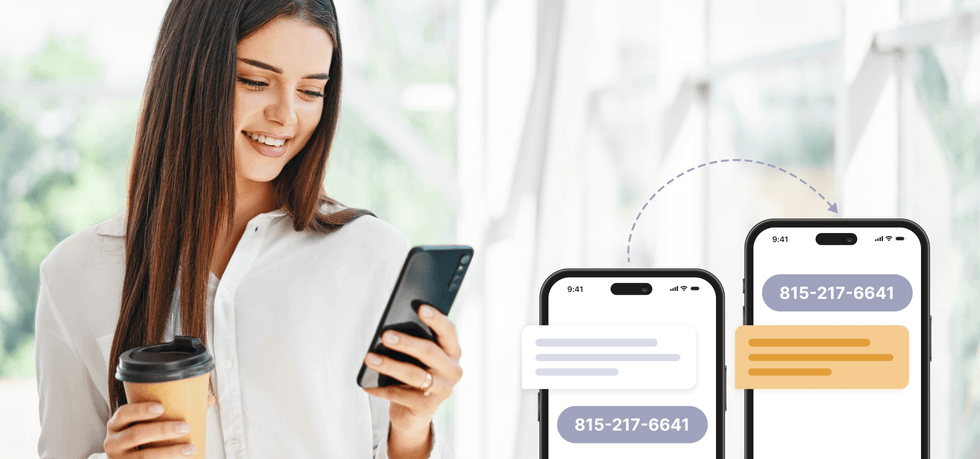
Phone number portability allows many consumers to keep an existing telephone number when changing providers. The FCC explains that customers switching providers while remaining in the same geographic area can generally keep their number, including transfers involving wireline, IP, and wireless providers.
Porting rules matter because unnecessary carrier obstacles could effectively trap customers who depend on a long-standing number for family, work, banking, or account verification.
What Number Portability Protects
Local number portability is designed to reduce the disruption caused by changing communications providers. FCC policy has long treated portability as important to competition because consumers are less likely to switch if doing so means losing a familiar number.
A port still requires validation. Information supplied to the new carrier normally must correspond sufficiently with the existing account so the request can be authenticated.
People comparing carrier experiences through regional digital publications should separate individual customer stories from the FCC rules governing the actual transfer.
Carrier Duties During a Port Request
A carrier should not create unnecessary barriers by demanding irrelevant information solely to obstruct a legitimate port. The FCC has specifically addressed efforts to streamline portability and prevent carriers from delaying the process through excessive validation demands.
Customers should provide accurate account details, keep existing service active while the port is processing, and follow the new provider’s instructions. Canceling the old line too early can complicate a transfer.
Information from community reporting platforms can help people recognize common telecommunications problems, but the customer’s account documents and provider communications are more useful when investigating a specific delay.
| Porting Issue | What It May Mean | Useful Step |
|---|---|---|
| Account mismatch | Validation failed | Check name and account details |
| Old service canceled | Number may be jeopardized | Contact carriers promptly |
| Port stalls | Technical or administrative issue | Request written status |
| Unauthorized transfer | Possible port-out fraud | Secure account immediately |
Delays Do Not Always Mean a Legal Violation
Some transfers are straightforward while others require additional coordination between networks or service types. A delay by itself therefore does not automatically prove misconduct.
What matters is why the transfer is delayed, whether required information has been supplied, and whether a carrier is improperly obstructing the request. Consumers dealing with prolonged problems can use local online media for general context while keeping direct records from both providers.
The FCC Consumer Inquiries and Complaints Center identifies number portability as a telecommunications complaint category.
Common Mistakes During Number Transfers
The biggest practical mistake is canceling an old account before confirming that the number has successfully moved. Portability involves transferring control of the number; terminating the underlying service prematurely can interfere with that process.
Consumers should also protect account PINs and transfer credentials. An unauthorized port can be more serious than an ordinary service delay because control of a phone number may affect text-message authentication and access to other accounts.
When Should You Escalate a Porting Problem?
Escalation may be appropriate when both providers blame each other for an extended period, a carrier refuses to explain a rejection, the number is transferred without authorization, or loss of service creates substantial business or personal harm.
FCC complaint categories include number-porting problems. For telecom service or billing complaints that the FCC serves on a provider, the provider generally has up to 30 days to respond to the consumer and the FCC.
Frequently Asked Questions
Can I keep my mobile number when switching carriers?
Generally yes when the number qualifies for portability and the necessary conditions are met. The FCC recognizes porting between wireless, wireline, and IP providers.
Should I cancel my old service before porting?
Usually no. Consumers are commonly better served by allowing the new provider to complete the number transfer before separately closing any remaining old-service arrangements.
Can I complain about a delayed number transfer?
Yes. The FCC’s consumer complaint system lists number portability as a phone-service issue consumers can report.
Protect the Number Until the Transfer Is Complete
Treat a phone number like an account asset during a carrier switch. Verify your account information, keep the old line active, save transfer confirmations, and monitor both providers until calls and messages work normally. If the process becomes unreasonable or unauthorized activity appears, written records will make regulatory or legal escalation far easier.
This article provides general legal information and is not a substitute for advice from a qualified attorney.