
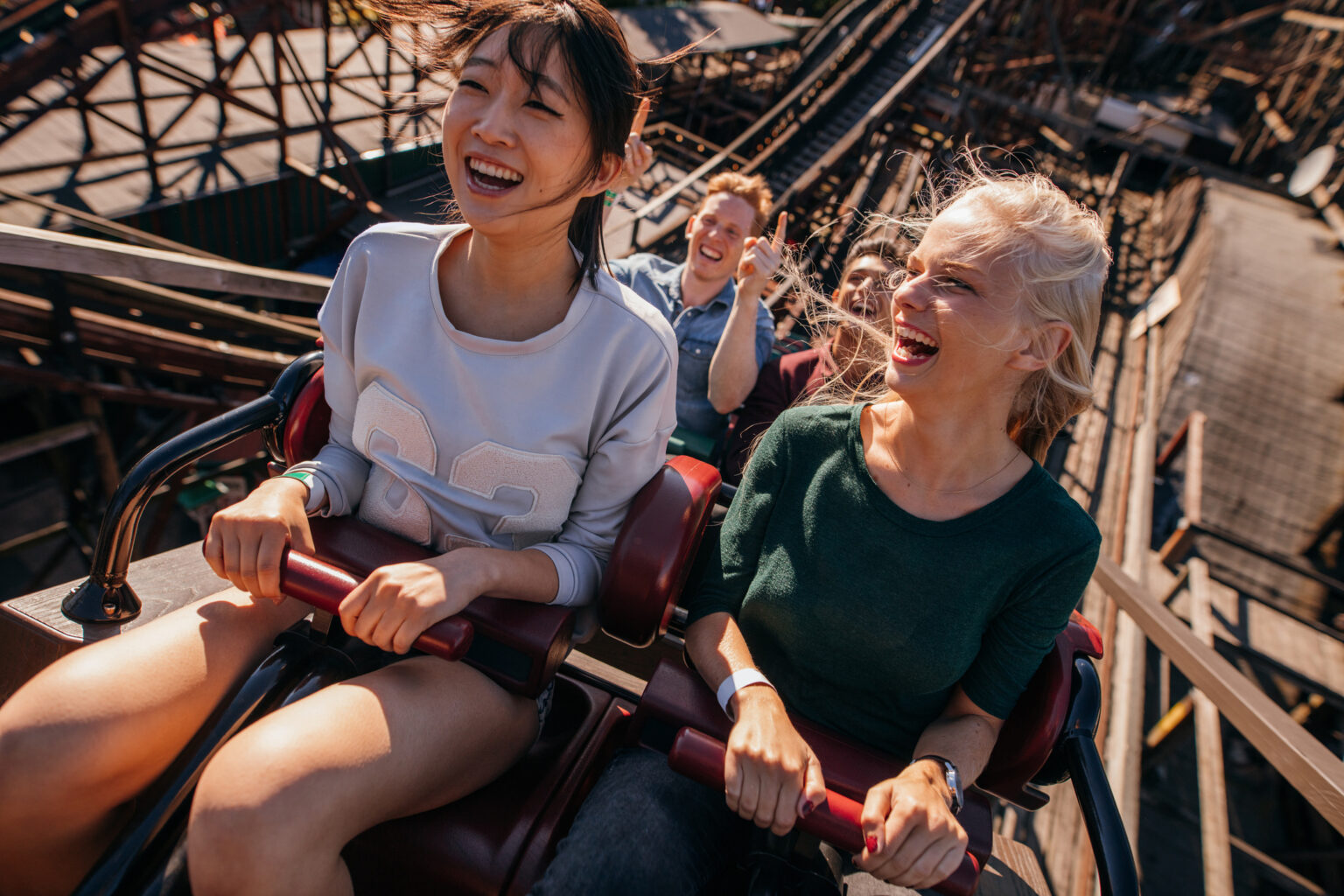
Amusement park injury law combines negligence principles with specialized ride-safety requirements. A claim may involve inspections, restraint systems, mechanical maintenance, operator training, rider restrictions, warnings, or conditions elsewhere on park property.
Oversight is not identical across the United States, particularly because fixed-site amusement rides and traveling rides can fall under different regulatory structures.
Who Regulates Amusement Rides?
The U.S. Consumer Product Safety Commission states that its jurisdiction covers mobile amusement rides, while permanently fixed rides generally fall outside its jurisdiction and are handled through state and local oversight. CPSC amusement ride oversight information
That distinction matters because inspection frequency, reporting requirements, permits, and enforcement procedures may depend on the state where a fixed amusement park operates.
Ride Inspections and Maintenance
A ride operator may need to follow applicable inspection requirements, manufacturer instructions, maintenance procedures, and operational safety rules. Whether a failure creates civil liability requires examining both the rule and its connection to the accident.
Someone researching an incident may encounter consumer-oriented web pages among countless unrelated search results. Official inspection records, state regulations, manufacturer documentation, and park records are generally more useful for understanding ride-safety obligations.
Restraint Systems Deserve Particular Attention
Lap bars, harnesses, doors, belts, and other restraint systems can be central after an ejection or movement-related injury. Evidence may include inspection logs, photographs, ride data, maintenance reports, and witness observations.
A restraint problem still requires investigation into how and why the failure occurred.
Operator Conduct and Visitor Instructions
Ride employees may be responsible for checking restraints, applying loading rules, enforcing height or eligibility restrictions, and responding when a rider reports a problem.
Broader general media resources may provide context around public incidents, but they cannot establish whether an individual operator followed the procedures required at a particular ride.
| Question | Evidence to Check | Why It Matters |
|---|---|---|
| Was the ride inspected? | Inspection records | May show compliance history |
| Was a restraint secure? | Photos, logs, witnesses | May identify mechanical issues |
| Were rules enforced? | Video and staff reports | May show operator conduct |
| Did the rider follow instructions? | Witnesses and signage | May affect comparative fault |
What Rights Do Injured Visitors Have?
Visitors may have potential claims when negligent maintenance, operation, property conditions, or other wrongful conduct causes injury. The precise legal theory depends on state law and the circumstances.
Public attention may also generate regional media coverage, but a news report is not a substitute for obtaining the ride’s records, the applicable inspection requirements, and evidence from the accident scene.
Where Amusement Park Claims Go Wrong
One mistake is assuming a current inspection sticker proves that negligence was impossible. An inspection is one piece of evidence, not necessarily the entire liability analysis.
Another mistake is assuming the park is automatically responsible whenever someone is injured. Rider behavior, known medical restrictions, compliance with instructions, unforeseeable events, and third-party conduct may all affect the case.
When Legal Assistance May Be Useful
Serious injuries, mechanical failures, ejections, restraint problems, or accidents followed by immediate ride repairs may justify prompt legal review.
Preserve tickets, photographs, receipts, clothing, communications, medical records, and witness contacts. If possible, record the exact ride name, seat location, approximate time, and any statements made by employees after the event.
Frequently Asked Questions
Are amusement park rides federally inspected?
Not all of them. CPSC jurisdiction generally covers mobile rides, while permanently fixed amusement rides are primarily subject to state and local oversight. Regulatory systems therefore differ by location.
Can an amusement park waiver block a negligence claim?
It may affect the claim, depending on state law and the waiver’s wording. Courts can treat releases differently depending on the conduct alleged and public-policy rules.
Can inspection records be evidence in a ride injury case?
Yes. Inspection and maintenance records can help establish the condition of a ride and what safety work occurred, although their legal significance depends on the entire factual record.
Preserve the Details Before They Change
Amusement ride investigations depend heavily on mechanical and operational evidence. Recording the ride, seat, restraints, employees, witnesses, and surrounding conditions soon after an accident can help preserve facts that may otherwise become difficult to reconstruct.
This article provides general legal information and is not a substitute for advice from a qualified attorney regarding a specific matter.