
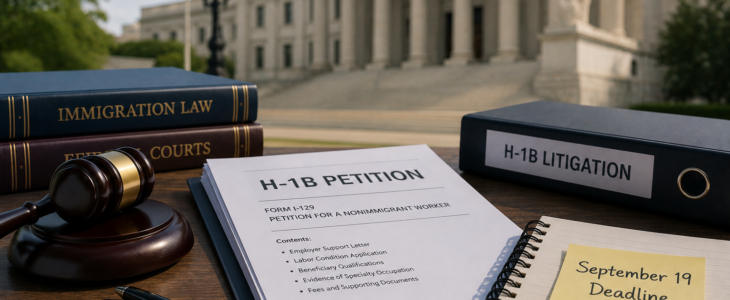
Court filing rules determine how legal documents reach the court, when they are considered filed, what information they must contain, and how parties receive service. A strong legal argument can still encounter serious problems if the document is submitted late or through the wrong procedure.
Federal courts combine national procedural rules with local rules, electronic filing instructions, standing orders, and judge-specific requirements.
How Court Filing Requirements Are Set
In federal civil litigation, the Federal Rules of Civil Procedure provide the national framework. Individual federal courts also publish local rules that govern matters such as formatting, electronic filing, motions, and supporting documents.
A person reviewing general news coverage about a lawsuit should not assume that filing practices described in one court apply automatically in another.
The docket, applicable rules, and orders entered in the case are the safer starting points.
Electronic Filing and Service
Federal courts commonly use the Case Management/Electronic Case Files system, known as CM/ECF. Individual courts may authorize or require electronic filing through their own local rules and procedures.
Electronic filing does not eliminate procedural requirements. Filers still need to use the correct case number, event type, attachments, signature format, certificate information, and other material required by the relevant court.
Readers consulting broader legal commentary should therefore distinguish general filing advice from instructions issued by the particular clerk’s office.
| Filing Issue | What to Check | Possible Problem |
|---|---|---|
| Deadline | Rule and court order | Late filing |
| Format | Local filing rules | Rejection or correction |
| Service | Required recipients | Lack of proper notice |
| Privacy | Redaction rules | Exposure of protected data |
Privacy Rules Matter Before Submission
Federal civil filings containing certain personal identifiers are subject to Rule 5.2. For example, filings generally use only the last four digits of Social Security or taxpayer identification numbers, the year of birth, a minor’s initials, and the last four digits of financial account numbers, subject to the rule’s exceptions.
The filer bears significant responsibility for reviewing documents before submission.
Information encountered through broader public reporting can explain why a case matters publicly, but it does not change a filer’s obligation to examine exhibits and attachments for protected information.
Deadlines and Filing Fees
Court deadlines can arise from statutes, procedural rules, scheduling orders, local rules, and individual judicial orders. Some periods are calculated from entry of an order, while others begin with service or another defined event.
Filing fees also vary according to the type of case or filing. Some litigants may seek permission to proceed without prepaying certain fees when the applicable legal requirements are satisfied.
A fee question should be checked against the current court fee schedule rather than an old article or saved form.
Where Filing Problems Commonly Occur
A frequent mistake is focusing only on the document’s writing while overlooking administrative requirements. A motion might need a notice, proposed order, declaration, exhibit, certificate of service, or specific electronic event.
Another problem is assuming that uploading a document automatically resolves service requirements. Electronic notice may satisfy service in some circumstances, but service of initial process and other special situations follow separate rules.
Local procedures deserve the same attention as national rules.
When to Get Legal Help
Consider legal assistance when a filing deadline is close, a complaint or appeal must be submitted, a document was rejected, confidential material must be protected, or a missed deadline may affect substantive rights.
A lawyer can identify which deadline controls, whether an extension is available, what documents must accompany the filing, and whether immediate corrective action should be requested from the court.
Frequently Asked Questions
Can a court clerk give legal advice about filing?
Clerk’s offices can usually provide procedural information and forms, but they generally cannot advise a litigant what legal arguments to make or how a case should be handled.
Is an electronically filed document considered filed immediately?
The answer depends on the governing rules and the court’s electronic filing procedures. Technical problems and local filing requirements can also affect how an attempted submission is handled.
Can personal information be removed after it is filed publicly?
Courts may have procedures for addressing improperly disclosed information, but correction is not automatic. Filers should review privacy rules before submission rather than relying on later removal.
Verify Before You Submit
Court filing is a procedural act with legal consequences, not merely an administrative upload. Check the controlling deadline, local rules, required attachments, privacy requirements, service obligations, and current fee information before submission. A final procedural review can prevent errors that are much harder to correct after a deadline expires.
This article provides general legal information and is not a substitute for advice from a qualified attorney.